Mama's Broken Heart
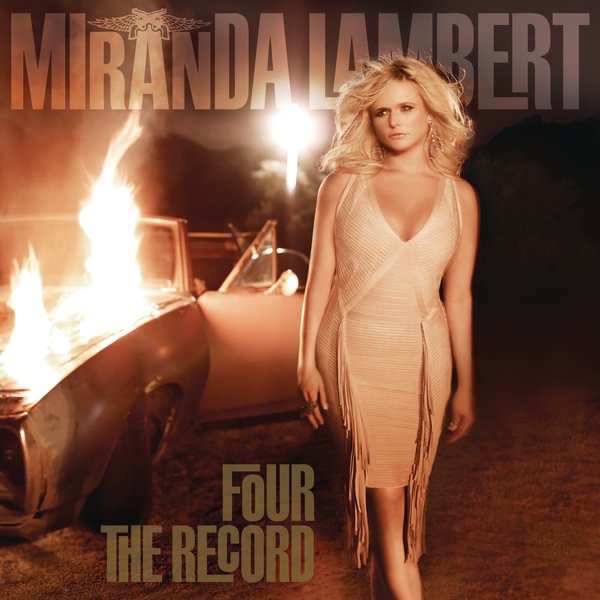
Miranda Lambert · Four the Record
Honest heartbreak wrestling with pressure to fake composure
Where the words land
Signal: Worth Weighing, leaning edifying.
What do these signals mean?
- Edifying: Points the heart toward God, truth, hope, or love.
- Worth Weighing: Real good and real concern together. Test it before you take it in.
- Strained: Strains against Scripture: leans toward what could dull or mislead.
- At Odds: At odds with Scripture: celebrates what it warns against. Little here builds up.
Weighed against Scripture
“I numbed the pain at the expense of my liver”
“Give strong drink to one who is perishing, and wine to the bitter in soul. Let him drink and forget his poverty, and remember his misery no more.”
Proverbs allows drink for the truly crushed, but this line shows numbing as a coping strategy rather than relief, a warning sign worth noticing.
“Don't matter how you feel, it only matters how you look”
But the LORD said to Samuel, “Do not consider his appearance or height, for I have rejected him; the LORD does not see as man does. For man sees the outward appearance, but the LORD sees the heart.”
The mother's advice prizes appearance over the heart's true condition, exactly the inversion this verse warns against.
“Never let 'em see you cry”
“Rejoice with those who rejoice; weep with those who weep.”
Scripture calls community to weep with the weeping, not demand a performance of composure that hides real grief.
The song as a whole
Do not avenge yourselves, beloved, but leave room for God’s wrath. For it is written: “Vengeance is Mine; I will repay, says the Lord.”
The narrator flirts with revenge as self-vindication, the opposite of leaving room for God's justice.
“The LORD is near to the brokenhearted; He saves the contrite in spirit.”
Beneath the bravado and eyeliner metaphors is a genuinely broken heart seeking acknowledgment, which this psalm promises God draws near to.
In short
This song captures the real, messy grief of a breakup and the cultural pressure (especially from an older generation) to hide pain behind composure and makeup. It's less about glorifying wild behavior than about naming the gap between what we feel and what we're told to show. The narrator isn't fully resolved, but she's honest about the tension.
- Lyrical content
No profanity, but vivid images of self-destructive grief (cutting bangs with scissors, numbing pain with drink, screaming).
- Spiritual posture
The narrator is caught between raw emotional honesty and a generational pressure to mask pain; there's no God-language, but an authentic wrestling with grief and appearances.
- Apparent intent
Lambert tells a storytelling narrative contrasting messy real heartbreak with the expectation to perform composure, giving voice to suppressed pain rather than glorifying it.
What do these ratings mean?
- Lyrical content, what the words say on the surface. Clean: nothing coarse, sexual or violent. Mild: a trace of it, by allusion or a rare word. Strong: profanity, sex or violence in plain words. Explicit: graphic, or sin held up to admire.
- Spiritual posture, where the song's heart points. God-honoring: toward God, truth or hope. Searching: honestly reaching or wrestling toward truth, without arriving. Neutral: spiritually indifferent; neither reaches nor rejects. Dark: despairing, nihilistic, self-exalting or hostile to God.
- Apparent intent, what the song is for. Edifying: worship, encouragement, honest lament. Cathartic: letting grief, anger or longing out, told honestly. Ambiguous: hard to say what the song is for. Harmful: celebrates evil, mocks faith or draws toward sin.
Does hiding pain under a composed face actually heal a broken heart, or does naming it honestly open the door to real comfort?
An AI-assisted reading. It can misread a lyric, a metaphor or a song’s intent.