Love
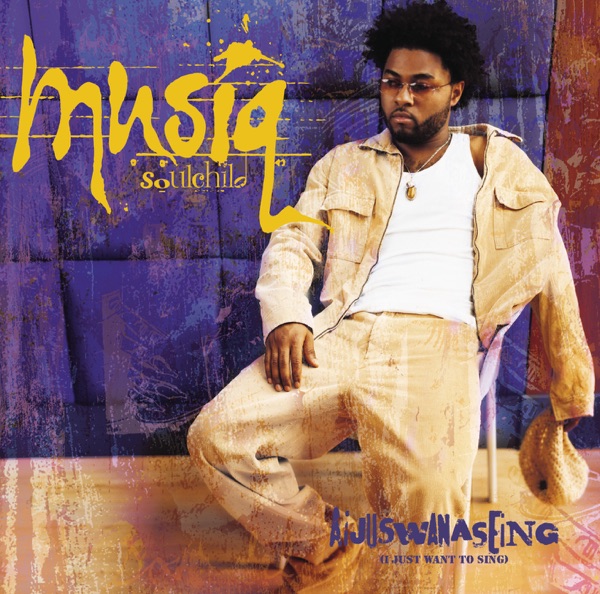
Musiq Soulchild · Aijuswanaseing
A tender ode to love that borrows worship language for an abstraction.
Where the words land
Signal: Worth Weighing, leaning edifying.
What do these signals mean?
- Edifying: Points the heart toward God, truth, hope, or love.
- Worth Weighing: Real good and real concern together. Test it before you take it in.
- Strained: Strains against Scripture: leans toward what could dull or mislead.
- At Odds: At odds with Scripture: celebrates what it warns against. Little here builds up.
Weighed against Scripture
“So many people use your name in vain”
“You shall not take the name of the LORD your God in vain, for the LORD will not leave anyone unpunished who takes His name in vain.”
The lyric borrows language usually reserved for how people treat God's name, revealing how the song elevates love to a sacred, almost divine status.
“Those who have faith in you sometimes go astray”
“Now faith is the assurance of what we hope for and the certainty of what we do not see.”
Biblical faith is anchored in God's unchanging character; here faith is placed in love itself, which the song admits can lead people astray.
“For better or worse, I still will choose you first”
“Love is patient, love is kind. It does not envy, it does not boast, it is not proud. It is not rude, it is not self-seeking, it is not easily angered, it keeps no account of wrongs. Love takes no pleasure in evil, but rejoices in the truth. It bears all things, believes all things, hopes all things, endures all things.”
The steadfast, patient commitment described mirrors Paul's description of love that perseveres through all things, though here it's framed as devotion to an abstraction rather than to God or a person.
The song as a whole
“And we have come to know and believe the love that God has for us. God is love; whoever abides in love abides in God, and God in him.”
Scripture grounds the certainty of love in knowing God, who is love itself; the song places that same certainty in the feeling of love alone.
In short
This is Musiq Soulchild personifying love as a devotional figure, almost a deity, worthy of worship-like language and total loyalty. It's a genuinely tender song about commitment, but it borrows the vocabulary of faith and reverence for an abstract feeling rather than for God. There's real beauty in its ode to steadfastness, even if it never points beyond the human experience of love itself.
- Spiritual posture
The song elevates love itself to an almost divine object of devotion, longing for it with near-worshipful language, without naming God directly.
- Apparent intent
Musiq seems to be exploring commitment and devotion through the conceit of personifying love; it's more poetic device than theological statement, but the language borrows heavily from worship.
What do these ratings mean?
- Lyrical content, what the words say on the surface. Clean: nothing coarse, sexual or violent. Mild: a trace of it, by allusion or a rare word. Strong: profanity, sex or violence in plain words. Explicit: graphic, or sin held up to admire.
- Spiritual posture, where the song's heart points. God-honoring: toward God, truth or hope. Searching: honestly reaching or wrestling toward truth, without arriving. Neutral: spiritually indifferent; neither reaches nor rejects. Dark: despairing, nihilistic, self-exalting or hostile to God.
- Apparent intent, what the song is for. Edifying: worship, encouragement, honest lament. Cathartic: letting grief, anger or longing out, told honestly. Ambiguous: hard to say what the song is for. Harmful: celebrates evil, mocks faith or draws toward sin.
Does this song's devotion to love point you toward its source, or settle for the feeling alone?
An AI-assisted reading. It can misread a lyric, a metaphor or a song’s intent.


