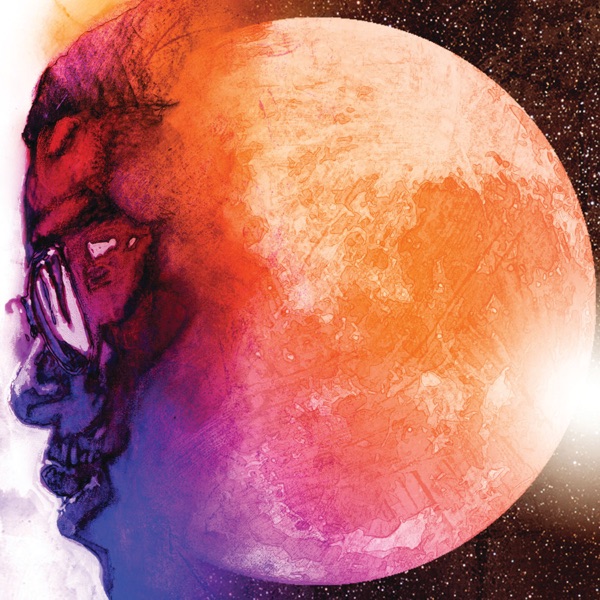
My World (feat. Billy Craven)
Kid Cudi · Man On the Moon: The End of Day
Signal: Worth Weighing, leaning strained. Underdog triumph with real grit and a few rough edges.
Underdog triumph with real grit and a few rough edges
What do these signals mean?
- Edifying: Points the heart toward God, truth, hope, or love.
- Worth Weighing: Real good and real concern together. Test it before you take it in.
- Strained: Strains against Scripture: leans toward what could dull or mislead.
- At Odds: At odds with Scripture: celebrates what it warns against. Little here builds up.
Weighed against Scripture
“My God, my God, why hast thou forsaken me? why art thou so far from helping me, and from the words of my roaring? O my God, I cry in the daytime, but thou hearest not; and in the night season, and am not silent.”
Cudi's opening portrait of isolation and feeling unseen rhymes with the psalmist's raw cry of abandonment. Both voices speak from a place where no one seems to care or notice.
“Hope deferred maketh the heart sick: but when the desire cometh, it is a tree of life.”
Hope deferred making the heart sick, but longing fulfilled as a tree of life, maps well onto the song's emotional arc from quiet desperation to vindication.
“Not that I speak in respect of want: for I have learned, in whatsoever state I am, therewith to be content.”
Paul's contentment learned in all circumstances sits in tension with Cudi's restless need to prove himself and be recognized. The grind is real, but the anchor is different.
This is Kid Cudi narrating his own origin story: isolated kid, absent father, low self-esteem, years of grinding obscurity, and the stubborn belief that things would turn. The emotional core is real and sympathetic. Where it stumbles spiritually is in the substance references and in a self-salvation framework where the only anchor is personal will. That is not nihilism, but it leaves God entirely out of the equation. The triumph feels earned, not hollow, yet the listener is left with hustle and self-belief as the only gospel on offer.
Contains repeated use of a racial slur, references to staying high, and some coarse language throughout. No explicit sexual content, but the language is consistently raw.
The song is rooted in genuine loneliness, low self-worth, and the hunger to be seen and valued. It reaches toward self-belief born out of real pain rather than empty bravado. The drive is personal vindication, not God-ward, but the ache underneath it is honest and human.
Cudi is processing a painful adolescence and early grind with candor. The intent reads as testimony more than boast: here is where I was, here is what I held onto. The marijuana reference is casual and unreflective, which is the clearest spiritual liability here.
When you picture the lonely kid in his room holding onto a dream, what was it that actually held him together, and is that the same thing holding you together?
An AI-assisted reading. It can misread a lyric, a metaphor or a song’s intent.