Never Too Late
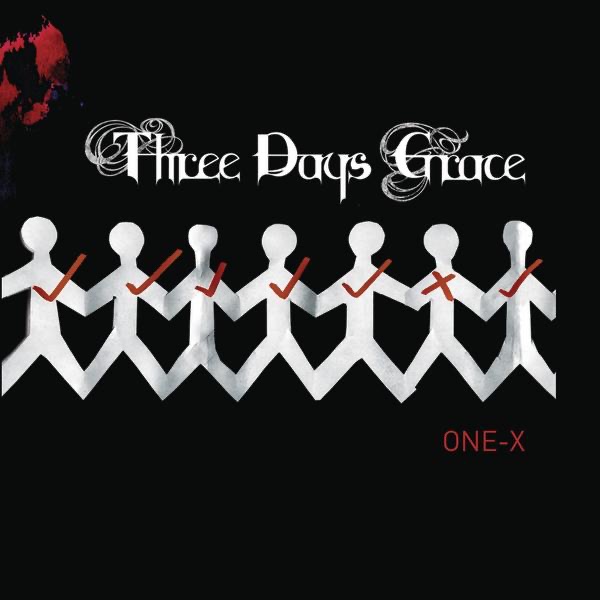
Three Days Grace · One-X (Deluxe Edition)
A friend's refusal to give up on someone in despair.
Where the words land
Signal: Edifying, leaning worth weighing.
What do these signals mean?
- Edifying: Points the heart toward God, truth, hope, or love.
- Worth Weighing: Real good and real concern together. Test it before you take it in.
- Strained: Strains against Scripture: leans toward what could dull or mislead.
- At Odds: At odds with Scripture: celebrates what it warns against. Little here builds up.
Weighed against Scripture
“I hear you say you want to end your life”
“The LORD is near to the brokenhearted; He saves the contrite in spirit.”
The song sits with someone in crushing despair the way this verse says God draws near to the brokenhearted.
“Now and again, we try to just stay alive”
“Because of the loving devotion of the LORD we are not consumed, for His mercies never fail. They are new every morning; great is Your faithfulness!”
The refusal to give up each day echoes the idea that mercy and strength are renewed morning by morning, even in grief.
“Maybe we'll turn it all around 'cause it's not too late”
“Now may the God of hope fill you with all joy and peace as you believe in Him, so that you may overflow with hope by the power of the Holy Spirit.”
The tentative hope here ('maybe') reaches toward the fuller assurance of hope this verse offers, even without naming its source.
The song as a whole
“Futility of futilities,” says the Teacher, “futility of futilities! Everything is futile!” What does a man gain from all his labor, at which he toils under the sun? Generations come and generations go, but the earth remains forever.
The grief over lost permanence mirrors the Preacher's lament over the fleeting, unrecoverable nature of life as we knew it.
In short
This song is written from the perspective of a friend staying present with someone who is suicidal, refusing to let them go even as the world around them falls apart. It doesn't offer easy answers or resolution, but it keeps insisting hope is still possible. The repeated 'it's never too late' functions as a lifeline, not a denial of pain.
- Lyrical content
No profanity or explicit content; direct references to suicidal thoughts and despair over a changed world.
- Spiritual posture
The song doesn't name God, but it reaches toward hope and persistence against despair, insisting it's not too late even amid pain.
- Apparent intent
Written as a plea to someone suicidal, offering solidarity and a refusal to give up on them, not a glamorization of despair.
What do these ratings mean?
- Lyrical content, what the words say on the surface. Clean: nothing coarse, sexual or violent. Mild: a trace of it, by allusion or a rare word. Strong: profanity, sex or violence in plain words. Explicit: graphic, or sin held up to admire.
- Spiritual posture, where the song's heart points. God-honoring: toward God, truth or hope. Searching: honestly reaching or wrestling toward truth, without arriving. Neutral: spiritually indifferent; neither reaches nor rejects. Dark: despairing, nihilistic, self-exalting or hostile to God.
- Apparent intent, what the song is for. Edifying: worship, encouragement, honest lament. Cathartic: letting grief, anger or longing out, told honestly. Ambiguous: hard to say what the song is for. Harmful: celebrates evil, mocks faith or draws toward sin.
Does this song's persistence in staying present with pain, without pretending it's resolved, speak to how you show up for others in their darkest moments?
An AI-assisted reading. It can misread a lyric, a metaphor or a song’s intent.