No More "I Love You's"
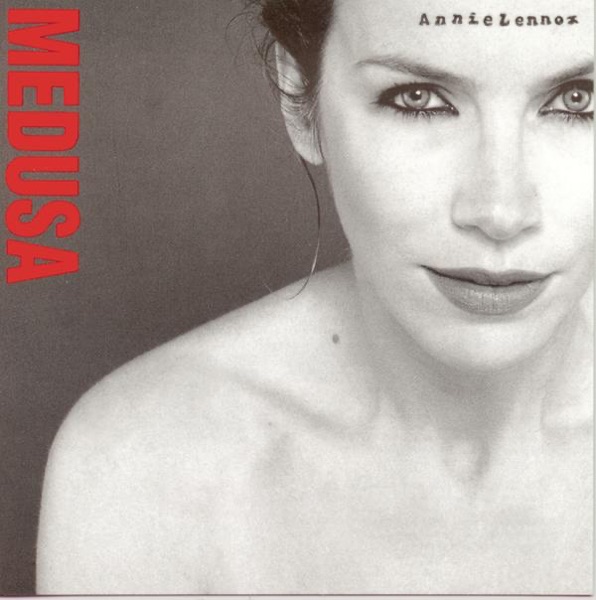
Annie Lennox · Medusa
Honest exhaustion with love's language, searching but unresolved.
Where the words land
Signal: Worth Weighing, leaning edifying.
What do these signals mean?
- Edifying: Points the heart toward God, truth, hope, or love.
- Worth Weighing: Real good and real concern together. Test it before you take it in.
- Strained: Strains against Scripture: leans toward what could dull or mislead.
- At Odds: At odds with Scripture: celebrates what it warns against. Little here builds up.
Weighed against Scripture
“I used to have demons in my room at night”
“Why are you downcast, O my soul? Why the unease within me? Put your hope in God, for I will yet praise Him for the salvation of His presence.”
The psalmist, like the singer, questions his own inner turmoil and restlessness, naming it honestly rather than hiding it.
“No more I love you's, the language is leaving me”
“a time to tear and a time to mend, a time to be silent and a time to speak,”
The Preacher names seasons of silence as part of life's rhythm; the song's exhaustion with words fits this honest, unresolved ache.
The song as a whole
“I do not understand what I do. For what I want to do, I do not do. But what I hate, I do.”
Paul's description of an inner war between desire and despair mirrors the 'monsters' the song names without fully resolving.
“I remembered You, O God, and I groaned; I mused and my spirit grew faint. Selah You have kept my eyes from closing; I am too troubled to speak.”
Where the psalmist's sleeplessness drives him to cry out to God, the song's numbness settles into silence without reaching toward anyone beyond itself.
In short
This is a song about emotional numbness after a storm of feeling has passed, not relief exactly, but exhaustion with language itself. The old 'demons' and desperate love have given way to a quiet that isn't quite peace. It doesn't resolve anywhere, spiritually or emotionally, it just observes the fading.
- Spiritual posture
The song sits in the numb aftermath of inner chaos, naming old demons and despair while describing a quiet, uncertain peace that has replaced them.
- Apparent intent
Lennox (covering Van Day/Jimmy Somerville's original) seems to be processing emotional burnout from a relationship, where words themselves have worn out.
What do these ratings mean?
- Lyrical content, what the words say on the surface. Clean: nothing coarse, sexual or violent. Mild: a trace of it, by allusion or a rare word. Strong: profanity, sex or violence in plain words. Explicit: graphic, or sin held up to admire.
- Spiritual posture, where the song's heart points. God-honoring: toward God, truth or hope. Searching: honestly reaching or wrestling toward truth, without arriving. Neutral: spiritually indifferent; neither reaches nor rejects. Dark: despairing, nihilistic, self-exalting or hostile to God.
- Apparent intent, what the song is for. Edifying: worship, encouragement, honest lament. Cathartic: letting grief, anger or longing out, told honestly. Ambiguous: hard to say what the song is for. Harmful: celebrates evil, mocks faith or draws toward sin.
Does this song's quiet numbness feel like healing to you, or like something still unspoken that needs a voice?
An AI-assisted reading. It can misread a lyric, a metaphor or a song’s intent.


