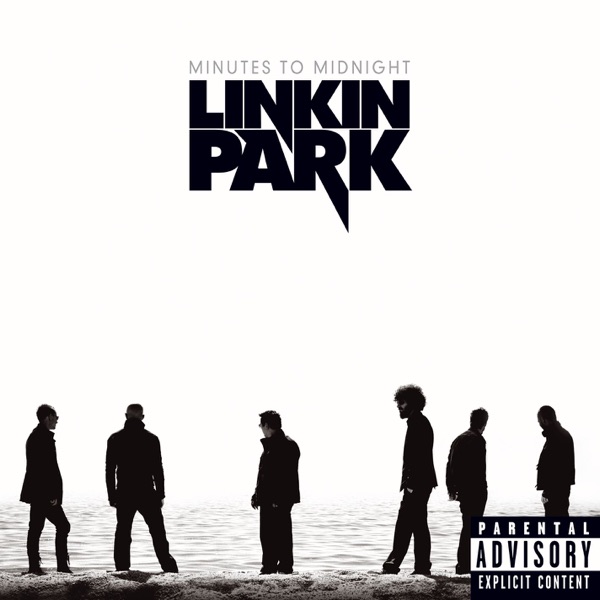
No More Sorrow
LINKIN PARK · Minutes to Midnight (Deluxe Edition)
Righteous anger at corruption that curdles into a thirst for vengeance.
Where the words land
Signal: Strained, leaning worth weighing.
What do these signals mean?
- Edifying: Points the heart toward God, truth, hope, or love.
- Worth Weighing: Real good and real concern together. Test it before you take it in.
- Strained: Strains against Scripture: leans toward what could dull or mislead.
- At Odds: At odds with Scripture: celebrates what it warns against. Little here builds up.
Weighed against Scripture
“I see liars and thieves abuse power with greed”
Then I said: “Hear now, O leaders of Jacob, you rulers of the house of Israel. Should you not know justice? You hate good and love evil. You tear the skin from my people and strip the flesh from their bones. You eat the flesh of my people after stripping off their skin and breaking their bones. You chop them up like flesh for the cooking pot, like meat in a cauldron.”
The song's outrage at leaders who exploit the people mirrors the prophet's condemnation of corrupt rulers who devour their own people.
“Your time is borrowed”
“Do not fret over those who do evil; do not envy those who do wrong. For they wither quickly like grass and wilt like tender plants.”
The conviction that wrongdoers' days are numbered reflects the psalmist's confidence that evildoers will wither like grass.
“Your time has come to be replaced”
Do not avenge yourselves, beloved, but leave room for God’s wrath. For it is written: “Vengeance is Mine; I will repay, says the Lord.”
Where the song claims the right to see justice enacted and even relishes it, Scripture calls the wronged to leave vengeance to God rather than to savor it themselves.
The song as a whole
How long, O LORD, must I call for help but You do not hear, or cry out to You, “Violence!” but You do not save? Why do You make me see iniquity? Why do You tolerate wrongdoing? Destruction and violence are before me. Strife is ongoing, and conflict abounds. Therefore the law is paralyzed, and justice never goes forth. For the wicked hem in the righteous, so that justice is perverted.
Like the prophet's cry over injustice unanswered, the song wrestles honestly with betrayal and corruption, though it never turns that cry into prayer.
In short
This is a song of righteous anger: betrayal by those in power, and a demand that the deceivers finally answer for it. The emotion is understandable, even biblical in its outrage at injustice, but the song stops at wanting payback rather than turning that anger toward anything redemptive. It's catharsis without resolution.
- Lyrical content
No profanity or explicit content; angry, accusatory language aimed at corrupt power and betrayal.
- Spiritual posture
The song channels real anger at injustice but settles into a desire for vengeance and replacement rather than any hope of repair or redemption.
- Apparent intent
Written as protest against political and institutional deception; it vents righteous frustration but offers no resolution beyond retribution.
What do these ratings mean?
- Lyrical content, what the words say on the surface. Clean: nothing coarse, sexual or violent. Mild: a trace of it, by allusion or a rare word. Strong: profanity, sex or violence in plain words. Explicit: graphic, or sin held up to admire.
- Spiritual posture, where the song's heart points. God-honoring: toward God, truth or hope. Searching: honestly reaching or wrestling toward truth, without arriving. Neutral: spiritually indifferent; neither reaches nor rejects. Dark: despairing, nihilistic, self-exalting or hostile to God.
- Apparent intent, what the song is for. Edifying: worship, encouragement, honest lament. Cathartic: letting grief, anger or longing out, told honestly. Ambiguous: hard to say what the song is for. Harmful: celebrates evil, mocks faith or draws toward sin.
Does naming injustice in this song help you release the anger, or does it feed a desire to hold onto it?
An AI-assisted reading. It can misread a lyric, a metaphor or a song’s intent.


