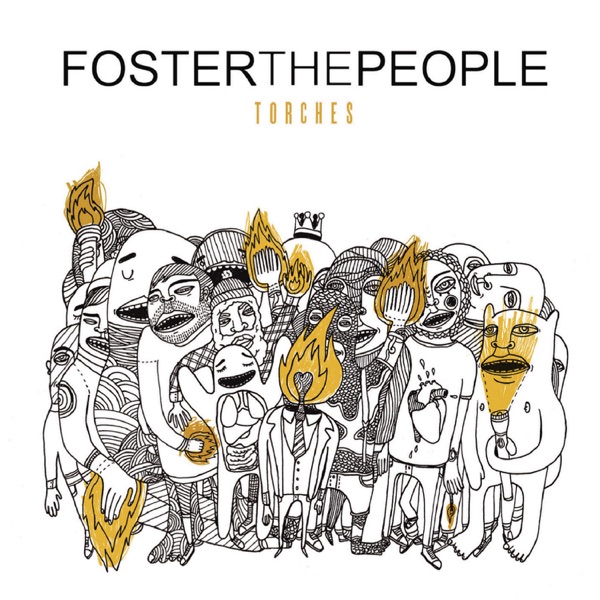
Pumped Up Kicks
Foster the People · Torches
A catchy hook wrapped around a chilling, unresolved portrait of violence.
Where the words land
Signal: Strained, leaning at odds.
What do these signals mean?
- Edifying: Points the heart toward God, truth, hope, or love.
- Worth Weighing: Real good and real concern together. Test it before you take it in.
- Strained: Strains against Scripture: leans toward what could dull or mislead.
- At Odds: At odds with Scripture: celebrates what it warns against. Little here builds up.
Weighed against Scripture
“he's coming for you, yeah, he's coming for you”
“Why are you angry,” said the LORD to Cain, “and why has your countenance fallen? If you do what is right, will you not be accepted? But if you refuse to do what is right, sin is crouching at your door; it desires you, but you must master it.”
God warns Cain that sin crouches at the door and must be mastered; the song's narrator gives no sign of that inner struggle, only the plan.
“I've waited for a long time”
“For they cannot sleep unless they do evil; they are deprived of slumber until they make someone fall. For they eat the bread of wickedness and drink the wine of violence.”
Describes someone who cannot sleep until they do evil, which mirrors the slow, deliberate buildup of the narrator's intent.
“Your hair's on fire, you must have lost your wits”
“In his pride the wicked man does not seek Him; in all his schemes there is no God.”
The psalm names the posture of a heart with no room for God in its thoughts; the taunting line shows a mind closed off from any check on itself.
The song as a whole
“Do I take any pleasure in the death of the wicked? declares the Lord GOD. Wouldn’t I prefer that he turn from his ways and live?”
God takes no pleasure in the death of the wicked but desires they turn and live; the song offers no such turning, leaving the character and listener in his unbroken trajectory.
In short
This is a quiet, catchy song about a very loud subject: a kid planning violence against classmates, narrated entirely from inside his own detached, chilling logic. The upbeat melody and matter-of-fact tone are the point, meant to unsettle by making menace sound casual. There's no redemption arc here, no outside voice breaking in, just the isolation and intent left to sit with the listener.
- Lyrical content
No profanity, but the lyrics narrate a disturbed boy planning violence against his peers, told from inside his head.
- Spiritual posture
The song sits inside alienation and violent fantasy without reaching toward hope, remorse, or rescue; it's a character study left unresolved.
- Apparent intent
The band has said they meant it as empathetic social commentary on isolation and access to guns, set to a deceptively upbeat melody, not a celebration of violence.
What do these ratings mean?
- Lyrical content, what the words say on the surface. Clean: nothing coarse, sexual or violent. Mild: a trace of it, by allusion or a rare word. Strong: profanity, sex or violence in plain words. Explicit: graphic, or sin held up to admire.
- Spiritual posture, where the song's heart points. God-honoring: toward God, truth or hope. Searching: honestly reaching or wrestling toward truth, without arriving. Neutral: spiritually indifferent; neither reaches nor rejects. Dark: despairing, nihilistic, self-exalting or hostile to God.
- Apparent intent, what the song is for. Edifying: worship, encouragement, honest lament. Cathartic: letting grief, anger or longing out, told honestly. Ambiguous: hard to say what the song is for. Harmful: celebrates evil, mocks faith or draws toward sin.
Does sitting inside this narrator's head help you understand isolation and its dangers, or does the melody's charm risk numbing you to what it describes?
An AI-assisted reading. It can misread a lyric, a metaphor or a song’s intent.


