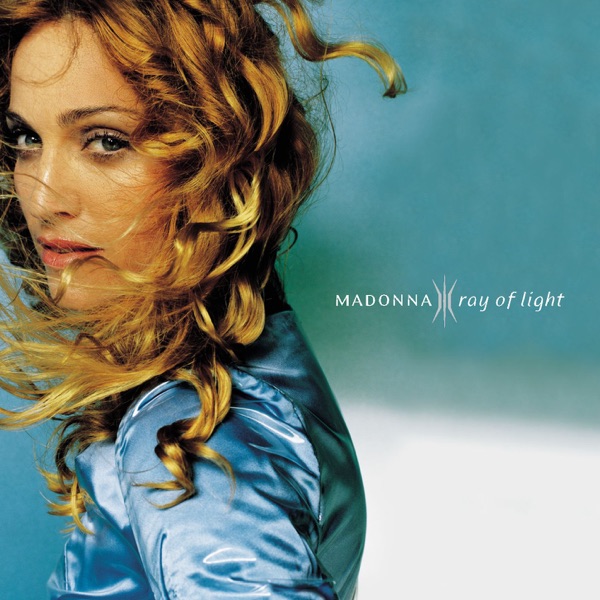
Ray of Light
Madonna · Ray of Light
Euphoric cosmic wonder reaching for home without naming where home is.
Where the words land
Signal: Worth Weighing, leaning edifying.
What do these signals mean?
- Edifying: Points the heart toward God, truth, hope, or love.
- Worth Weighing: Real good and real concern together. Test it before you take it in.
- Strained: Strains against Scripture: leans toward what could dull or mislead.
- At Odds: At odds with Scripture: celebrates what it warns against. Little here builds up.
Weighed against Scripture
“Do my tears of mourning sink beneath the sun”
“The sun rises and the sun sets; it hurries back to where it rises.”
The image of sun and cycle evokes the same meditative wonder at creation's rhythms found in Ecclesiastes' musings on the sun's course.
“Waiting for the time when Earth shall be as one”
“The creation waits in eager expectation for the revelation of the sons of God. For the creation was subjected to futility, not by its own will, but because of the One who subjected it, in hope that the creation itself will be set free from its bondage to decay and brought into the glorious freedom of the children of God.”
Her longing for cosmic unity faintly echoes creation's own groaning and hope for restoration, though she locates the hope in oneness with the universe rather than with God.
“And I feel like I just got home”
“How lovely is Your dwelling place, O LORD of Hosts! My soul longs, even faints, for the courts of the LORD; my heart and my flesh cry out for the living God.”
The ache for 'home' mirrors the psalmist's yearning for God's dwelling, though here it is framed as cosmic belonging rather than explicit worship.
The song as a whole
“God intended that they would seek Him and perhaps reach out for Him and find Him, though He is not far from each one of us. ‘For in Him we live and move and have our being.’ As some of your own poets have said, ‘We are His offspring.’”
Paul describes humanity groping toward God through creation and wonder, much as this song searches for meaning and 'home' in the vastness of the universe without naming its source.
In short
This is a song of ecstatic wonder, Madonna caught up in cosmic imagery and the feeling of having finally arrived somewhere true. It doesn't name God, but its longing for home, unity, and transcendence taps into something real: the human ache for belonging in a vast universe. It's spiritually ambiguous rather than hollow, reaching upward without a clear destination.
- Spiritual posture
The song reaches for transcendence and belonging ('I just got home') through nature and cosmic wonder rather than naming God directly.
- Apparent intent
Written out of a season of personal awakening for Madonna; the song functions as an ecstatic release, a celebration of feeling alive and connected.
What do these ratings mean?
- Lyrical content, what the words say on the surface. Clean: nothing coarse, sexual or violent. Mild: a trace of it, by allusion or a rare word. Strong: profanity, sex or violence in plain words. Explicit: graphic, or sin held up to admire.
- Spiritual posture, where the song's heart points. God-honoring: toward God, truth or hope. Searching: honestly reaching or wrestling toward truth, without arriving. Neutral: spiritually indifferent; neither reaches nor rejects. Dark: despairing, nihilistic, self-exalting or hostile to God.
- Apparent intent, what the song is for. Edifying: worship, encouragement, honest lament. Cathartic: letting grief, anger or longing out, told honestly. Ambiguous: hard to say what the song is for. Harmful: celebrates evil, mocks faith or draws toward sin.
When this song's joy and longing for home stir something in you, where do you let that longing finally land?
An AI-assisted reading. It can misread a lyric, a metaphor or a song’s intent.