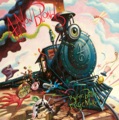
Some Nights
Fun. · Some Nights
Honest exhaustion and searching, with a flicker of hope breaking through.
Where the words land
Signal: Worth Weighing, leaning edifying.
What do these signals mean?
- Edifying: Points the heart toward God, truth, hope, or love.
- Worth Weighing: Real good and real concern together. Test it before you take it in.
- Strained: Strains against Scripture: leans toward what could dull or mislead.
- At Odds: At odds with Scripture: celebrates what it warns against. Little here builds up.
Weighed against Scripture
“I'm still not sure what I stand for”
“Why are you downcast, O my soul? Why the unease within me? Put your hope in God, for I will yet praise Him for the salvation of His presence.”
The psalmist also questions his own soul's turmoil, modeling honest self-interrogation rather than false certainty.
“I sold my soul for this?”
“What does it profit a man to gain the whole world, yet forfeit his soul?”
The line captures the same gut-check Jesus poses: what good is gain if it costs you yourself.
The song as a whole
“My God, my God, why have You forsaken me? Why are You so far from saving me, so far from my words of groaning? I cry out by day, O my God, but You do not answer, and by night, but I have no rest.”
A cry of isolation and fear strikingly similar to the psalmist's own unanswered lament.
“And we know that God works all things together for the good of those who love Him, who are called according to His purpose.”
A flicker of hope that good can emerge from hardship, even without naming God as the source.
“Futility of futilities,” says the Teacher, “futility of futilities! Everything is futile!” What does a man gain from all his labor, at which he toils under the sun?
The song's restless questioning of meaning and identity mirrors the Preacher's own search amid life's confusion.
Words of Christ are set in red.
In short
This is a song about losing your footing, questioning who you are after years of grinding toward something that no longer feels solid. It doesn't pretend to resolve the confusion, but it doesn't sink into total despair either; there's a flicker of tenderness toward family and a sense that even hard nights can produce something meaningful. The 'Oh Lord' cry feels less like worship and more like an exasperated reach toward something bigger than the narrator's own confusion.
- Lyrical content
Mostly clean but includes one sharp profanity and raw, confessional language about identity and disillusionment.
- Spiritual posture
The narrator is honestly wrestling with identity, purpose, and exhaustion, crying out 'Oh Lord' without landing on an answer.
- Apparent intent
Feels like genuine emotional processing of doubt, grief, and disillusionment with fame, family, and self, not a glorification of despair.
What do these ratings mean?
- Lyrical content, what the words say on the surface. Clean: nothing coarse, sexual or violent. Mild: a trace of it, by allusion or a rare word. Strong: profanity, sex or violence in plain words. Explicit: graphic, or sin held up to admire.
- Spiritual posture, where the song's heart points. God-honoring: toward God, truth or hope. Searching: honestly reaching or wrestling toward truth, without arriving. Neutral: spiritually indifferent; neither reaches nor rejects. Dark: despairing, nihilistic, self-exalting or hostile to God.
- Apparent intent, what the song is for. Edifying: worship, encouragement, honest lament. Cathartic: letting grief, anger or longing out, told honestly. Ambiguous: hard to say what the song is for. Harmful: celebrates evil, mocks faith or draws toward sin.
Does this song's honest wrestling with identity and purpose stir you toward deeper reflection, or just toward echoing the confusion?
An AI-assisted reading. It can misread a lyric, a metaphor or a song’s intent.