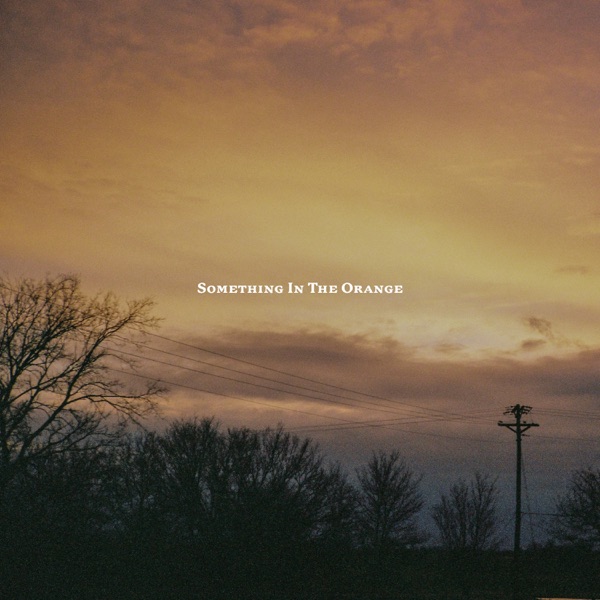
Something in the Orange
Zach Bryan · Something in the Orange - Single
A beautifully honest ache that never turns toward anything beyond itself.
Where the words land
Signal: Strained, leaning worth weighing.
What do these signals mean?
- Edifying: Points the heart toward God, truth, hope, or love.
- Worth Weighing: Real good and real concern together. Test it before you take it in.
- Strained: Strains against Scripture: leans toward what could dull or mislead.
- At Odds: At odds with Scripture: celebrates what it warns against. Little here builds up.
Weighed against Scripture
“I poisoned myself again”
“There is a way that seems right to a man, but its end is the way of death.”
The narrator keeps returning to what wounds him, mistaking familiar pain for love; Proverbs warns that a path that feels right can still lead to ruin.
“Where the hell am I supposed to go?”
“Why are you downcast, O my soul? Why the unease within me? Put your hope in God, for I will yet praise Him for the salvation of His presence.”
The raw, disoriented ache of this line mirrors the psalmist's own cry of a downcast soul searching for somewhere to put its grief.
“These things eat at your bones and drive your young mind crazy”
“Be merciful to me, O LORD, for I am in distress; my eyes fail from sorrow, my soul and body as well. For my life is consumed with grief and my years with groaning; my iniquity has drained my strength, and my bones are wasting away.”
Like the psalmist, the singer describes sorrow as something physical, consuming body and mind alike.
The song as a whole
“Two are better than one, because they have a good return for their labor. For if one falls down, his companion can lift him up; but pity the one who falls without another to help him up!”
The song aches for a companionship it no longer has; Ecclesiastes names the goodness of that same companionship rightly ordered, which the narrator can only mourn.
In short
This is a song about loving someone past the point of reason, replaying a relationship that's already ended. The 'orange' light becomes a stand-in for memory itself, warm and inescapable. There's no resolution here, just the raw ache of someone who can't let go, even as he names his own self-destruction.
- Lyrical content
No profanity beyond mild exclamations; the language is plain, raw, and image-driven, centered on heartbreak and longing.
- Spiritual posture
The narrator is consumed by obsessive grief and self-destruction, clinging to a love that's gone rather than finding any ground beyond it.
- Apparent intent
Bryan is clearly mining real heartbreak for honest emotional release, not glamorizing the pain but sitting inside it.
What do these ratings mean?
- Lyrical content, what the words say on the surface. Clean: nothing coarse, sexual or violent. Mild: a trace of it, by allusion or a rare word. Strong: profanity, sex or violence in plain words. Explicit: graphic, or sin held up to admire.
- Spiritual posture, where the song's heart points. God-honoring: toward God, truth or hope. Searching: honestly reaching or wrestling toward truth, without arriving. Neutral: spiritually indifferent; neither reaches nor rejects. Dark: despairing, nihilistic, self-exalting or hostile to God.
- Apparent intent, what the song is for. Edifying: worship, encouragement, honest lament. Cathartic: letting grief, anger or longing out, told honestly. Ambiguous: hard to say what the song is for. Harmful: celebrates evil, mocks faith or draws toward sin.
Does sitting inside this song's grief with the narrator help you grieve rightly, or does it keep you circling the same wound?
An AI-assisted reading. It can misread a lyric, a metaphor or a song’s intent.


