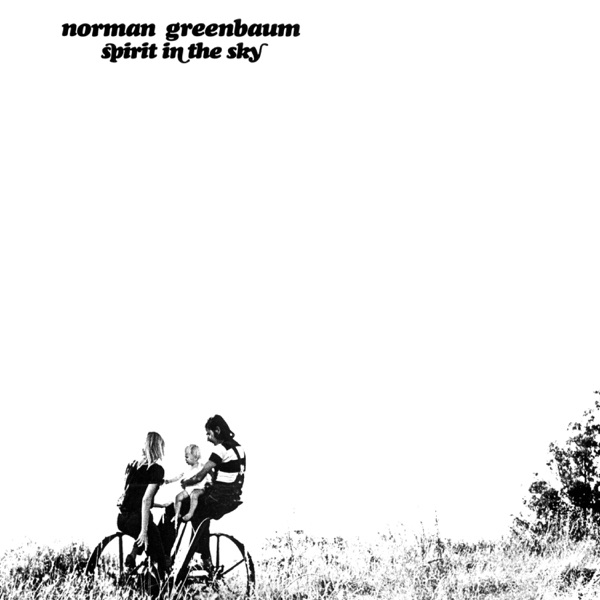
Spirit In the Sky
Norman Greenbaum · Spirit In the Sky (Deluxe Edition)
Catchy afterlife anthem with cheerful but shaky theology
Where the words land
Signal: Worth Weighing, leaning strained.
What do these signals mean?
- Edifying: Points the heart toward God, truth, hope, or love.
- Worth Weighing: Real good and real concern together. Test it before you take it in.
- Strained: Strains against Scripture: leans toward what could dull or mislead.
- At Odds: At odds with Scripture: celebrates what it warns against. Little here builds up.
Weighed against Scripture
“He's gonna recommend you to the spirit in the sky”
Jesus answered, “I am the way and the truth and the life. No one comes to the Father except through Me.
Jesus describes himself as the way to the Father, not a reference who vouches for a disembodied 'spirit in the sky' elsewhere.
“Never been a sinner, I've never sinned”
“for all have sinned and fall short of the glory of God,”
Scripture insists all have sinned; the song's claim to sinlessness stands opposite the gospel's starting point of universal need for grace.
The song as a whole
“You are My friends if you do what I command you.”
Jesus does call his followers friends, though real friendship with him in Scripture involves obedience and humility, not self-proclaimed innocence.
“before the dust returns to the ground from which it came and the spirit returns to God who gave it.”
The hope that something of us returns to God after death echoes this verse, even if the song's vision is vague and folk-spiritual rather than biblical.
Words of Christ are set in red.
In short
This is a feel-good, gospel-tinged rock anthem about confidently going to heaven when you die, built more for its groove and hook than for careful theology. Its casual claim of personal sinlessness and loose use of Jesus as a kind of heavenly reference stand at odds with the gospel's actual shape of grace through confessed need. It's not malicious or dark in tone, just theologically thin dressed in spiritual language.
- Spiritual posture
Frames eternal security through self-declared sinlessness and a casual 'friend in Jesus' arrangement rather than grace or repentance, a theology more folk-mythic than biblical.
- Apparent intent
Greenbaum wrote this as a catchy gospel-flavored rock song without deep theological intent; it's more vibe and hook than doctrine, but the words still carry a message.
What do these ratings mean?
- Lyrical content, what the words say on the surface. Clean: nothing coarse, sexual or violent. Mild: a trace of it, by allusion or a rare word. Strong: profanity, sex or violence in plain words. Explicit: graphic, or sin held up to admire.
- Spiritual posture, where the song's heart points. God-honoring: toward God, truth or hope. Searching: honestly reaching or wrestling toward truth, without arriving. Neutral: spiritually indifferent; neither reaches nor rejects. Dark: despairing, nihilistic, self-exalting or hostile to God.
- Apparent intent, what the song is for. Edifying: worship, encouragement, honest lament. Cathartic: letting grief, anger or longing out, told honestly. Ambiguous: hard to say what the song is for. Harmful: celebrates evil, mocks faith or draws toward sin.
Does this song's confident claim to never having sinned sit easily with what you understand grace to actually require?
An AI-assisted reading. It can misread a lyric, a metaphor or a song’s intent.


