Style
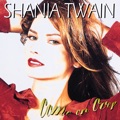
Taylor Swift · 1989 (Deluxe Edition)
Magnetic pull, eyes wide open, no exit planned
Where the words land
Signal: Worth Weighing, leaning strained.
What do these signals mean?
- Edifying: Points the heart toward God, truth, hope, or love.
- Worth Weighing: Real good and real concern together. Test it before you take it in.
- Strained: Strains against Scripture: leans toward what could dull or mislead.
- At Odds: At odds with Scripture: celebrates what it warns against. Little here builds up.
Weighed against Scripture
“As a dog returns to its vomit, so a fool repeats his folly.”
The image of returning repeatedly to what one already knows causes harm sits uneasily alongside a song whose whole logic is 'we crash, we come back, every time.' The cycle is romanticized here where Scripture treats it as folly.
“I do not understand what I do. For what I want to do, I do not do. But what I hate, I do.”
'I know exactly where it leads but I watch us go round and round' is a pop-song version of the same honest confession Paul makes: doing what you know you shouldn't because the pull is stronger than your resolve in the moment.
“Everything is permissible for me,” but not everything is beneficial. “Everything is permissible for me,” but I will not be mastered by anything.
Paul's point that something can be permissible yet still master you speaks directly to the dynamic the song romanticizes. The relationship here has mastery over both people, and the song treats that as timeless rather than as a problem.
In short
'Style' is a sharp, self-aware portrait of a relationship both people know is circular and probably not good for them, yet can't stop returning to. The song's tension is right there in the lyrics: she knows exactly where it leads and goes anyway. That honesty is part of what makes it compelling, but the song offers no movement out of the loop, just a kind of cool surrender to it. The spiritual weight isn't darkness so much as stagnation, choosing something familiar over something better.
- Lyrical content
Suggestive but not explicit. 'Lights are off, he's taking off his coat' implies a physical encounter without spelling it out. 'Good girl faith and a tight little skirt' pairs identity with appearance in a way worth noticing.
- Spiritual posture
The song is self-aware about a cycle that isn't good ('I should just tell you to leave, 'cause I know exactly where it leads') but chooses it anyway. There's no reaching toward anything beyond the pull itself. Spiritually flat, which in context reads closer to resigned than searching.
- Apparent intent
Swift is capturing the intoxicating logic of a recurring, complicated relationship honestly. She's not glamorizing it as much as she's naming the pull accurately. The intent feels more confessional than celebratory.
What do these ratings mean?
- Lyrical content, what the words say on the surface. Clean: nothing coarse, sexual or violent. Mild: a trace of it, by allusion or a rare word. Strong: profanity, sex or violence in plain words. Explicit: graphic, or sin held up to admire.
- Spiritual posture, where the song's heart points. God-honoring: toward God, truth or hope. Searching: honestly reaching or wrestling toward truth, without arriving. Neutral: spiritually indifferent; neither reaches nor rejects. Dark: despairing, nihilistic, self-exalting or hostile to God.
- Apparent intent, what the song is for. Edifying: worship, encouragement, honest lament. Cathartic: letting grief, anger or longing out, told honestly. Ambiguous: hard to say what the song is for. Harmful: celebrates evil, mocks faith or draws toward sin.
When you listen to this song, does it feel like an honest look at a trap, or does it make the trap feel worth it?
An AI-assisted reading. It can misread a lyric, a metaphor or a song’s intent.