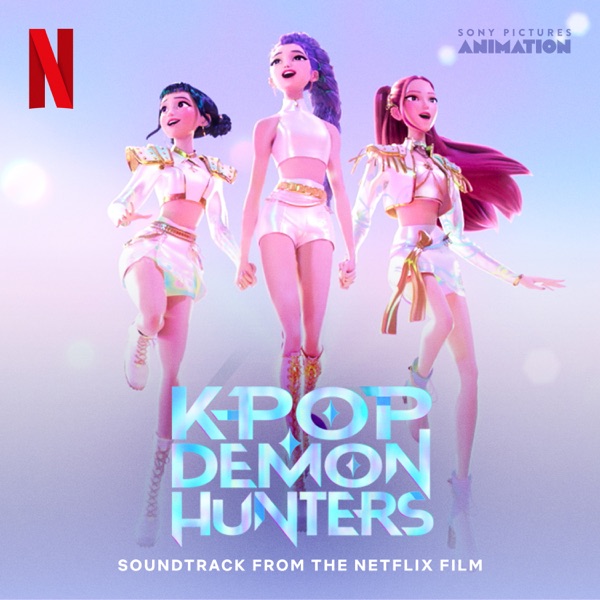
Takedown
HUNTR/X, EJAE, AUDREY NUNA, REI AMI & KPop Demon Hunters Cast · KPop Demon Hunters (Soundtrack from the Netflix Film)
A fierce fictional showdown against a masked deceiver, heavy on vengeance imagery.
Where the words land
Signal: Worth Weighing, leaning strained.
What do these signals mean?
- Edifying: Points the heart toward God, truth, hope, or love.
- Worth Weighing: Real good and real concern together. Test it before you take it in.
- Strained: Strains against Scripture: leans toward what could dull or mislead.
- At Odds: At odds with Scripture: celebrates what it warns against. Little here builds up.
Weighed against Scripture
“so sweet, so easy on the eyes, but hideous on the inside”
“Woe to you, scribes and Pharisees, you hypocrites! You are like whitewashed tombs, which look beautiful on the outside but on the inside are full of dead men’s bones and every kind of impurity. In the same way, on the outside you appear to be righteous, but on the inside you are full of hypocrisy and wickedness.”
The song's unmasking of a beautiful-seeming deceiver mirrors Jesus' rebuke of whitewashed tombs that hide corruption.
“I see your real face and it's ugly as sin”
But the LORD said to Samuel, “Do not consider his appearance or height, for I have rejected him; the LORD does not see as man does. For man sees the outward appearance, but the LORD sees the heart.”
The lyric's move from appearance to true nature recalls Scripture's contrast between outward looks and the hidden heart.
“a demon with no feelings, don't deserve to live”
Do not avenge yourselves, beloved, but leave room for God’s wrath. For it is written: “Vengeance is Mine; I will repay, says the Lord.”
The song claims the right to judge and destroy, while Scripture reserves vengeance and final judgment to God rather than to human (or heroic) hands.
“I'ma cut you up, you'll lose control, then rip out your heart”
“For our struggle is not against flesh and blood, but against the rulers, against the authorities, against the powers of this world’s darkness, and against the spiritual forces of evil in the heavenly realms.”
Ephesians frames the real battle against evil as spiritual, not one of physical violence and mutilation as depicted here.
Words of Christ are set in red.
In short
This is a fictional battle-anthem from an animated story, aimed at a demon antagonist who hides manipulation behind beauty. Its energy is aggressive and vengeful, fitting an action-movie climax rather than real-life spiritual reflection. Taken as pop culture entertainment, it's more about catharsis against a villain than a statement of personal faith or despair.
- Lyrical content
Violent, battle-themed imagery about destroying a deceiving demon figure: cutting, ripping, dying, no profanity but intense aggression throughout.
- Spiritual posture
Framed as a fictional battle-anthem against evil/deception within a film narrative, not a personal spiritual stance toward God or despair.
- Apparent intent
Written as an empowerment/action song for a story about exposing a deceptive demonic villain; intent is triumphant confrontation, not glorifying real violence.
What do these ratings mean?
- Lyrical content, what the words say on the surface. Clean: nothing coarse, sexual or violent. Mild: a trace of it, by allusion or a rare word. Strong: profanity, sex or violence in plain words. Explicit: graphic, or sin held up to admire.
- Spiritual posture, where the song's heart points. God-honoring: toward God, truth or hope. Searching: honestly reaching or wrestling toward truth, without arriving. Neutral: spiritually indifferent; neither reaches nor rejects. Dark: despairing, nihilistic, self-exalting or hostile to God.
- Apparent intent, what the song is for. Edifying: worship, encouragement, honest lament. Cathartic: letting grief, anger or longing out, told honestly. Ambiguous: hard to say what the song is for. Harmful: celebrates evil, mocks faith or draws toward sin.
Does this song's revenge-fueled energy sit comfortably as entertainment, or does it stir something in you beyond the story's frame?
An AI-assisted reading. It can misread a lyric, a metaphor or a song’s intent.


