The Reason
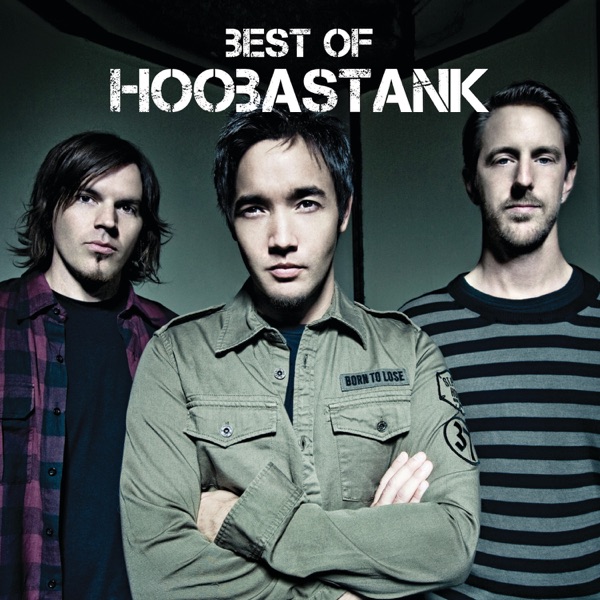
Hoobastank · Best of Hoobastank
Honest regret and a wish to change, but change rooted only in another person.
Where the words land
Signal: Worth Weighing, leaning edifying.
What do these signals mean?
- Edifying: Points the heart toward God, truth, hope, or love.
- Worth Weighing: Real good and real concern together. Test it before you take it in.
- Strained: Strains against Scripture: leans toward what could dull or mislead.
- At Odds: At odds with Scripture: celebrates what it warns against. Little here builds up.
Weighed against Scripture
“I'm not a perfect person”
“for all have sinned and fall short of the glory of God,”
An honest acknowledgment of personal failure echoes the universal human condition Scripture names.
“I'm sorry that I hurt you”
“Therefore confess your sins to each other and pray for each other so that you may be healed. The prayer of a righteous man has great power to prevail.”
Confessing wrongdoing to the one harmed reflects the relational honesty Scripture commends, even if the object here isn't God.
“A reason to start over new”
“Therefore if anyone is in Christ, he is a new creation. The old has passed away. Behold, the new has come!”
Scripture roots true newness of life in Christ, while this song places that transformative power entirely in another person's love.
The song as a whole
“The heart is deceitful above all things and beyond cure. Who can understand it?”
The song trusts that willpower and love alone can reshape the heart, while Scripture suggests lasting change needs more than human resolve.
In short
This is a sincere apology anthem about owning past mistakes and wanting to become better for someone you love. It's emotionally honest and clean, but the transformation it longs for is placed entirely in a romantic relationship rather than anything deeper. There's real humility here, just no larger frame for where lasting change actually comes from.
- Spiritual posture
The posture is sincere but horizontal, repentance and transformation are directed entirely at a romantic partner, not toward God.
- Apparent intent
Written as a personal confession and plea for forgiveness, aiming to process guilt and express a desire to change.
What do these ratings mean?
- Lyrical content, what the words say on the surface. Clean: nothing coarse, sexual or violent. Mild: a trace of it, by allusion or a rare word. Strong: profanity, sex or violence in plain words. Explicit: graphic, or sin held up to admire.
- Spiritual posture, where the song's heart points. God-honoring: toward God, truth or hope. Searching: honestly reaching or wrestling toward truth, without arriving. Neutral: spiritually indifferent; neither reaches nor rejects. Dark: despairing, nihilistic, self-exalting or hostile to God.
- Apparent intent, what the song is for. Edifying: worship, encouragement, honest lament. Cathartic: letting grief, anger or longing out, told honestly. Ambiguous: hard to say what the song is for. Harmful: celebrates evil, mocks faith or draws toward sin.
Where do you look for the strength to actually become a better person, and can another person alone carry that weight?
An AI-assisted reading. It can misread a lyric, a metaphor or a song’s intent.


