When I'm Gone
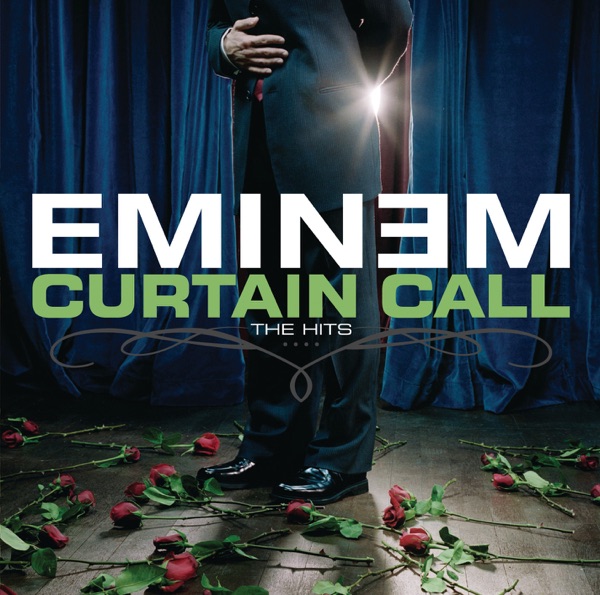
Eminem · Curtain Call: The Hits
A nightmare of fame's cost that wakes up choosing love over death.
Where the words land
Signal: Strained, leaning worth weighing.
What do these signals mean?
- Edifying: Points the heart toward God, truth, hope, or love.
- Worth Weighing: Real good and real concern together. Test it before you take it in.
- Strained: Strains against Scripture: leans toward what could dull or mislead.
- At Odds: At odds with Scripture: celebrates what it warns against. Little here builds up.
Weighed against Scripture
“Do not be deceived: God is not to be mocked. Whatever a man sows, he will reap in return.”
He names the harvest of his own choices catching up with him, a sober echo of sowing and reaping rather than an excuse.
And he will turn the hearts of the fathers to their children, and the hearts of the children to their fathers. Otherwise, I will come and strike the land with a curse.”
The ache of a father's heart turned away from his children is exactly what this verse warns against and longs to heal.
“For my soul is full of troubles, and my life draws near to Sheol. I am counted among those descending to the Pit. I am like a man without strength. I am forsaken among the dead, like the slain who lie in the grave, whom You remember no more, who are cut off from Your care. You have laid me in the lowest Pit, in the darkest of the depths.”
This is one of Scripture's darkest laments, naming death's pull without flinching, much like this nightmare sequence does before waking.
“So he got up and went to his father. But while he was still in the distance, his father saw him and was filled with compassion. He ran to his son, embraced him, and kissed him.”
The dream ends not in death but in a return home and reconciliation, echoing the posture of coming back rather than staying lost.
Words of Christ are set in red.
In short
This is Eminem confronting the wreckage fame and addiction left on his family, dramatized through a nightmare where neglect spirals into his own suicide. The chorus's eerie comfort ('don't mourn, I didn't feel a thing') is the voice inside the dream, not his real belief, because he wakes and chooses his family instead. It's raw autobiography turned warning, not a celebration of self-destruction.
- Lyrical content
One masked profanity and a vivid suicide/self-destruction sequence, but no sexual content or gratuitous violence toward others; the content serves the story rather than shock value.
- Spiritual posture
The song doesn't reach toward God, but it wrestles honestly with guilt, fatherhood, and self-destruction, and ultimately turns from the nightmare toward tenderness and waking into love.
- Apparent intent
This is autobiographical lament, Eminem confessing the cost of fame and addiction on his family, ending with a chosen return to them rather than glorifying the fantasy of death.
What do these ratings mean?
- Lyrical content, what the words say on the surface. Clean: nothing coarse, sexual or violent. Mild: a trace of it, by allusion or a rare word. Strong: profanity, sex or violence in plain words. Explicit: graphic, or sin held up to admire.
- Spiritual posture, where the song's heart points. God-honoring: toward God, truth or hope. Searching: honestly reaching or wrestling toward truth, without arriving. Neutral: spiritually indifferent; neither reaches nor rejects. Dark: despairing, nihilistic, self-exalting or hostile to God.
- Apparent intent, what the song is for. Edifying: worship, encouragement, honest lament. Cathartic: letting grief, anger or longing out, told honestly. Ambiguous: hard to say what the song is for. Harmful: celebrates evil, mocks faith or draws toward sin.
Does this song's ending, waking into love rather than staying in the nightmare, shape how you hear the darker verses that come before it?
An AI-assisted reading. It can misread a lyric, a metaphor or a song’s intent.