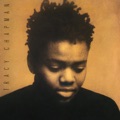
Where Have All the Cowboys Gone? (Album Edit Version)
Paula Cole · Where Have All the Cowboys Gone - Single
A wistful lament for a fairytale romance that never showed up.
Where the words land
Signal: Worth Weighing.
What do these signals mean?
- Edifying: Points the heart toward God, truth, hope, or love.
- Worth Weighing: Real good and real concern together. Test it before you take it in.
- Strained: Strains against Scripture: leans toward what could dull or mislead.
- At Odds: At odds with Scripture: celebrates what it warns against. Little here builds up.
Weighed against Scripture
“But you don't, but you don't even notice me”
“You have captured my heart, my sister, my bride; you have stolen my heart with one glance of your eyes, with one jewel of your neck. How delightful is your love, my sister, my bride! Your love is much better than wine, and the fragrance of your perfume than all spices.”
Where biblical romantic love delights in attentive cherishing of the beloved, this line exposes the ache of being unseen and unwanted.
“Where is my happy ending?”
“Hope deferred makes the heart sick, but desire fulfilled is a tree of life.”
The refrain captures exactly this proverb's ache: hope deferred making the heart sick, as a fantasy of ideal love fails to arrive.
“While you go have a beer”
“Anything my eyes desired, I did not deny myself. I refused my heart no pleasure. For my heart took delight in all my work, and this was the reward for all my labor. Yet when I considered all the works that my hands had accomplished and what I had toiled to achieve, I found everything to be futile, a pursuit of the wind; there was nothing to be gained under the sun.”
The quiet drift into separate routines and small escapes mirrors the Preacher's survey of pursuits that ultimately leave one empty-handed.
The song as a whole
“Submit to one another out of reverence for Christ.”
The song depicts a transactional, imbalanced division of labor and affection rather than the mutual submission and shared burden-bearing Scripture envisions in marriage.
In short
This song mourns the gap between a romanticized ideal of partnership (the strong, attentive cowboy hero) and the lived reality of an unequal, fading marriage. It's less about cowboys literally and more about disappointed expectations in love and gender roles. The tone is wistful and questioning rather than angry or hopeless, ending not in resolution but in open longing.
- Spiritual posture
The song wrestles with disillusionment over unmet romantic ideals, longing for a fantasy that never materializes, but doesn't resolve into despair or bitterness, just unanswered questions.
- Apparent intent
Cole critiques the mythic gender roles sold by Western/cowboy iconography and the cultural script of marriage, using irony and lament to process disappointment.
What do these ratings mean?
- Lyrical content, what the words say on the surface. Clean: nothing coarse, sexual or violent. Mild: a trace of it, by allusion or a rare word. Strong: profanity, sex or violence in plain words. Explicit: graphic, or sin held up to admire.
- Spiritual posture, where the song's heart points. God-honoring: toward God, truth or hope. Searching: honestly reaching or wrestling toward truth, without arriving. Neutral: spiritually indifferent; neither reaches nor rejects. Dark: despairing, nihilistic, self-exalting or hostile to God.
- Apparent intent, what the song is for. Edifying: worship, encouragement, honest lament. Cathartic: letting grief, anger or longing out, told honestly. Ambiguous: hard to say what the song is for. Harmful: celebrates evil, mocks faith or draws toward sin.
Does this song's ache for a storybook ending point you toward gratitude for real, imperfect love, or toward restless comparison with a fantasy?
An AI-assisted reading. It can misread a lyric, a metaphor or a song’s intent.