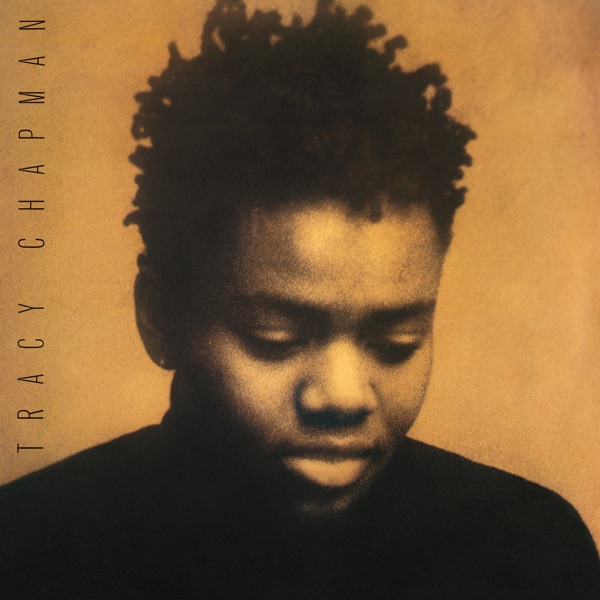
Fast Car
Tracy Chapman · Tracy Chapman
An honest lament about chasing belonging in the wrong place to find it.
Where the words land
Signal: Edifying, leaning worth weighing.
What do these signals mean?
- Edifying: Points the heart toward God, truth, hope, or love.
- Worth Weighing: Real good and real concern together. Test it before you take it in.
- Strained: Strains against Scripture: leans toward what could dull or mislead.
- At Odds: At odds with Scripture: celebrates what it warns against. Little here builds up.
Weighed against Scripture
“my old man's got a problem, he lives with the bottle”
“Who has woe? Who has sorrow? Who has contentions? Who has complaints? Who has needless wounds? Who has bloodshot eyes? Those who linger over wine, who go to taste mixed drinks.”
Names plainly the ruin that drink brings on a household, the same weary picture the song paints of her father.
“I had a feeling that I belonged”
“Though my father and mother forsake me, the LORD will receive me.”
The ache to belong after being abandoned by parents is a deeply biblical longing, one the Psalms voice without shame.
“I had a feeling I could be someone”
“Anything my eyes desired, I did not deny myself. I refused my heart no pleasure. For my heart took delight in all my work, and this was the reward for all my labor. Yet when I considered all the works that my hands had accomplished and what I had toiled to achieve, I found everything to be futile, a pursuit of the wind; there was nothing to be gained under the sun.”
Her hope is pinned on circumstance and another person; Ecclesiastes warns that striving for significance apart from God ends in vapor.
“take your fast car and keep on driving”
“Hope deferred makes the heart sick, but desire fulfilled is a tree of life.”
Hope deferred makes the heart sick; her dream of escape curdles into the same trap she fled, leaving her finally walking away.
The song as a whole
“How long, O LORD? Will You forget me forever? How long will You hide Your face from me? How long must I wrestle in my soul, with sorrow in my heart each day? How long will my enemy dominate me?”
The song's whole arc, hoping, waiting, being let down again, mirrors the honest cry of a lament psalm that has not yet found resolution.
In short
This is a story song about generational poverty, a father's drinking, and a woman who keeps hoping escape with someone else will finally make her feel like somebody. The dream sours as roles reverse and she becomes the one carrying the weight. It ends not in despair but in a clear-eyed decision to stop waiting on someone else to drive her forward.
- Spiritual posture
The narrator reaches for a better life and belonging, cycling through hope and disappointment without landing anywhere settled, honest rather than resigned.
- Apparent intent
A character study in storytelling form, giving voice to the working poor's cycle of hope and disillusionment with real empathy, not exploitation.
What do these ratings mean?
- Lyrical content, what the words say on the surface. Clean: nothing coarse, sexual or violent. Mild: a trace of it, by allusion or a rare word. Strong: profanity, sex or violence in plain words. Explicit: graphic, or sin held up to admire.
- Spiritual posture, where the song's heart points. God-honoring: toward God, truth or hope. Searching: honestly reaching or wrestling toward truth, without arriving. Neutral: spiritually indifferent; neither reaches nor rejects. Dark: despairing, nihilistic, self-exalting or hostile to God.
- Apparent intent, what the song is for. Edifying: worship, encouragement, honest lament. Cathartic: letting grief, anger or longing out, told honestly. Ambiguous: hard to say what the song is for. Harmful: celebrates evil, mocks faith or draws toward sin.
Where are you looking for the sense of belonging or significance you're longing for?
An AI-assisted reading. It can misread a lyric, a metaphor or a song’s intent.


