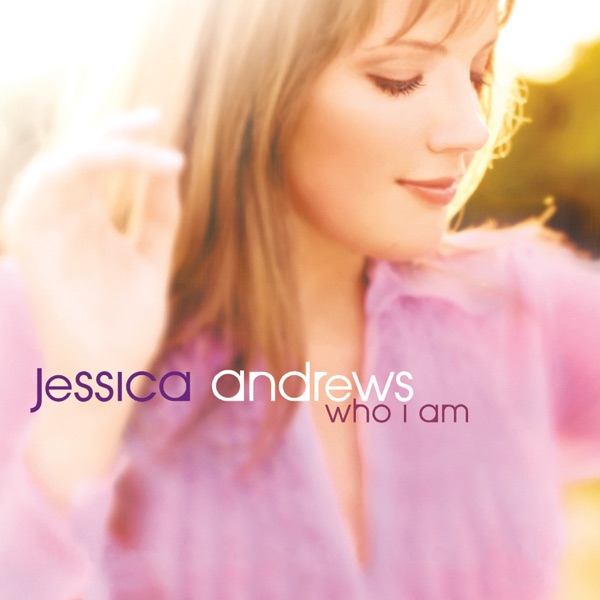
Who I Am
Jessica Andrews · Who I Am
A sweet anthem of self-acceptance rooted in family rather than faith.
Where the words land
Signal: Edifying, leaning worth weighing.
What do these signals mean?
- Edifying: Points the heart toward God, truth, hope, or love.
- Worth Weighing: Real good and real concern together. Test it before you take it in.
- Strained: Strains against Scripture: leans toward what could dull or mislead.
- At Odds: At odds with Scripture: celebrates what it warns against. Little here builds up.
Weighed against Scripture
“Cause I know exactly who I am”
“For You formed my inmost being; You knit me together in my mother’s womb. I praise You, for I am fearfully and wonderfully made. Marvelous are Your works, and I know this very well.”
The song's confidence in identity echoes the psalmist's wonder at being fearfully and wonderfully made, though here the source is family rather than the Creator.
“I'm a saint and I'm a sinner”
“I do not understand what I do. For what I want to do, I do not do. But what I hate, I do. And if I do what I do not want to do, I admit that the law is good. In that case, it is no longer I who do it, but it is sin living in me that does it. I know that nothing good lives in me, that is, in my flesh; for I have the desire to do what is good, but I cannot carry it out. For I do not do the good I want to do. Instead, I keep on doing the evil I do not want to do.”
The honest admission of inner contradiction mirrors Paul's wrestling with doing what he doesn't want to do, acknowledging a mixed human nature.
The song as a whole
“I am not saying this out of need, for I have learned to be content regardless of my circumstances. I know how to live humbly, and I know how to abound. In any and every situation I have learned the secret of being filled and being hungry, of having plenty and having need.”
Contentment apart from worldly success or achievement reflects Paul's learned contentment in any circumstance, though his source is Christ rather than family identity.
But the LORD said to Samuel, “Do not consider his appearance or height, for I have rejected him; the LORD does not see as man does. For man sees the outward appearance, but the LORD sees the heart.”
The song roots identity entirely in human relationships and self-acceptance; Scripture points further, to being known and valued by God who sees the heart.
In short
This is a warm, grounded song about finding security in family, friendship, and self-acceptance rather than fame or achievement. It's healthy and affirming on a human level, though its vision of identity stops at family roots and doesn't reach toward God as the ultimate source of worth. There's nothing harmful here, just a horizon that could go further.
- Spiritual posture
Grounded in identity through family and relationships rather than God, but not hostile or despairing; it's a secular affirmation of self-worth.
What do these ratings mean?
- Lyrical content, what the words say on the surface. Clean: nothing coarse, sexual or violent. Mild: a trace of it, by allusion or a rare word. Strong: profanity, sex or violence in plain words. Explicit: graphic, or sin held up to admire.
- Spiritual posture, where the song's heart points. God-honoring: toward God, truth or hope. Searching: honestly reaching or wrestling toward truth, without arriving. Neutral: spiritually indifferent; neither reaches nor rejects. Dark: despairing, nihilistic, self-exalting or hostile to God.
- Apparent intent, what the song is for. Edifying: worship, encouragement, honest lament. Cathartic: letting grief, anger or longing out, told honestly. Ambiguous: hard to say what the song is for. Harmful: celebrates evil, mocks faith or draws toward sin.
Does your sense of who you are rest ultimately in the people who love you, or in the One who made and knows you?
An AI-assisted reading. It can misread a lyric, a metaphor or a song’s intent.