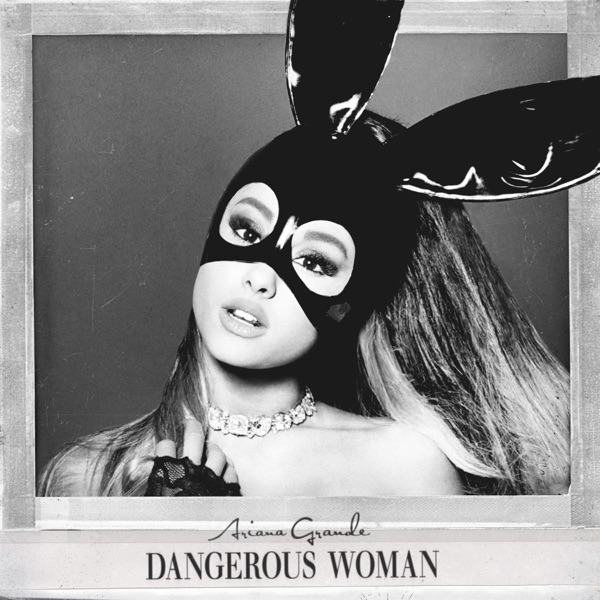
Dangerous Woman
Ariana Grande · Dangerous Woman
Sexual self-assertion dressed up as empowerment, with little beyond itself.
Where the words land
Signal: Strained, leaning worth weighing.
What do these signals mean?
- Edifying: Points the heart toward God, truth, hope, or love.
- Worth Weighing: Real good and real concern together. Test it before you take it in.
- Strained: Strains against Scripture: leans toward what could dull or mislead.
- At Odds: At odds with Scripture: celebrates what it warns against. Little here builds up.
Weighed against Scripture
“Don't need permission, made my decision to test my limits”
“Everything is permissible for me,” but not everything is beneficial. “Everything is permissible for me,” but I will not be mastered by anything.
The song treats self-determined limit-testing as the whole point of freedom, while Paul reminds believers that not everything beneficial is 'permissible' just because it's allowed.
“Makes me wanna do things that I shouldn't”
“I do not understand what I do. For what I want to do, I do not do. But what I hate, I do.”
There's an honest admission here of doing what one knows one 'shouldn't,' echoing the universal tension Paul names, though the song stops at indulging it rather than wrestling with it.
The song as a whole
“You shall not take the name of the LORD your God in vain, for the LORD will not leave anyone unpunished who takes His name in vain.”
Invoking God's name casually to validate a pursuit of desire reduces the sacred to a rhetorical flourish rather than genuine reverence.
“For you, brothers, were called to freedom; but do not use your freedom as an opportunity for the flesh. Rather, serve one another in love.”
The song's vision of freedom is license for the flesh, the opposite of the freedom Paul describes that serves others in love.
In short
This is a confident pop anthem about embracing sexual desire as self-ownership, not a song reaching toward anything beyond the moment. It's catchy and unapologetic but spiritually shallow: desire itself becomes the only authority. There's no malice here, just a worldview where 'wanting it' is its own justification.
- Lyrical content
No explicit profanity, but persistent sexual innuendo and language of surrendering self-control to desire.
- Spiritual posture
The song centers on self-assertion through sexual empowerment rather than pointing toward or away from God; it's indifferent to anything beyond the moment's desire.
- Apparent intent
Framed as an anthem of owning one's desire and sexual agency; catchy and confident, but the 'empowerment' is defined entirely by giving in to temptation, not by anything deeper.
What do these ratings mean?
- Lyrical content, what the words say on the surface. Clean: nothing coarse, sexual or violent. Mild: a trace of it, by allusion or a rare word. Strong: profanity, sex or violence in plain words. Explicit: graphic, or sin held up to admire.
- Spiritual posture, where the song's heart points. God-honoring: toward God, truth or hope. Searching: honestly reaching or wrestling toward truth, without arriving. Neutral: spiritually indifferent; neither reaches nor rejects. Dark: despairing, nihilistic, self-exalting or hostile to God.
- Apparent intent, what the song is for. Edifying: worship, encouragement, honest lament. Cathartic: letting grief, anger or longing out, told honestly. Ambiguous: hard to say what the song is for. Harmful: celebrates evil, mocks faith or draws toward sin.
Does this song's vision of freedom (doing what you want because you want it) match the freedom you actually find life-giving?
An AI-assisted reading. It can misread a lyric, a metaphor or a song’s intent.