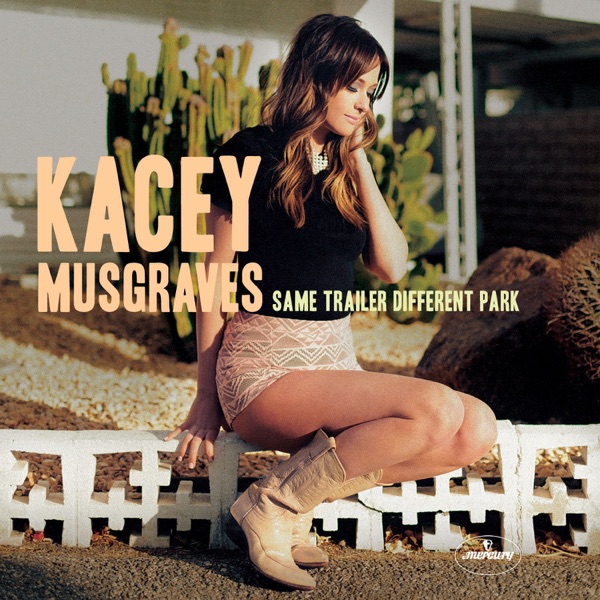
Follow Your Arrow
Kacey Musgraves · Same Trailer Different Park
Skewers hypocrisy, then answers it with 'just please yourself.'
Where the words land
Signal: Worth Weighing, leaning strained.
What do these signals mean?
- Edifying: Points the heart toward God, truth, hope, or love.
- Worth Weighing: Real good and real concern together. Test it before you take it in.
- Strained: Strains against Scripture: leans toward what could dull or mislead.
- At Odds: At odds with Scripture: celebrates what it warns against. Little here builds up.
Weighed against Scripture
“If you don't go to church you'll go to hell”
“You, therefore, have no excuse, you who pass judgment on another. For on whatever grounds you judge the other, you are condemning yourself, because you who pass judgment do the same things.”
The song rightly mocks using judgment as a weapon against others while ignoring one's own faults, a real critique Scripture also makes of self-righteous condemnation.
“so you might as well just do whatever you want”
“In those days there was no king in Israel; everyone did what was right in his own eyes.”
The leap from 'you can't please everyone' to 'so just follow your own desires' trades hypocrisy for a different error: making the self the final authority.
“roll up a joint, or don't”
“Everything is permissible,” but not everything is beneficial. “Everything is permissible,” but not everything is edifying.
Paul affirms freedom but tempers it with what is beneficial and constructive; the song treats freedom as the whole answer rather than one part of it.
The song as a whole
“For you, brothers, were called to freedom; but do not use your freedom as an opportunity for the flesh. Rather, serve one another in love.”
The song's call to total self-direction skips past the deeper question of what freedom is actually for.
In short
This is a protest song against hypocrisy and impossible social standards, and it lands some real punches on people who judge others while ignoring their own flaws. But its answer to that hypocrisy isn't grace or truth, it's just radical self-determination: do whatever you want, since you only live once. That's a fair complaint wrapped around a shallow solution.
- Lyrical content
References to drinking, drug use, and casual sex are implied rather than graphic, with light innuendo throughout.
- Spiritual posture
The song shrugs off moral and religious judgment entirely rather than wrestling with it; it's indifferent to God rather than hostile.
- Apparent intent
Written as a wry critique of hypocrisy and no-win social judgment, but its resolution is 'do whatever you want' rather than any deeper truth.
What do these ratings mean?
- Lyrical content, what the words say on the surface. Clean: nothing coarse, sexual or violent. Mild: a trace of it, by allusion or a rare word. Strong: profanity, sex or violence in plain words. Explicit: graphic, or sin held up to admire.
- Spiritual posture, where the song's heart points. God-honoring: toward God, truth or hope. Searching: honestly reaching or wrestling toward truth, without arriving. Neutral: spiritually indifferent; neither reaches nor rejects. Dark: despairing, nihilistic, self-exalting or hostile to God.
- Apparent intent, what the song is for. Edifying: worship, encouragement, honest lament. Cathartic: letting grief, anger or longing out, told honestly. Ambiguous: hard to say what the song is for. Harmful: celebrates evil, mocks faith or draws toward sin.
Does calling out others' double standards require replacing it with your own desires as the final word, or is there a steadier ground to stand on?
An AI-assisted reading. It can misread a lyric, a metaphor or a song’s intent.