Smells Like Teen Spirit
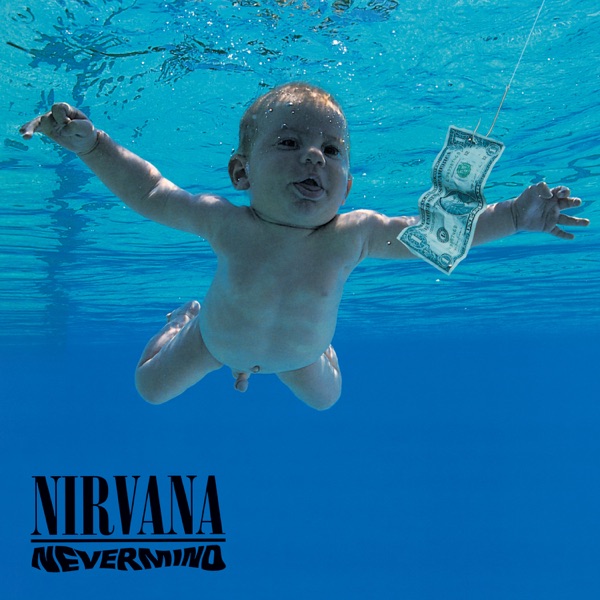
Nirvana · Nevermind
Raw teenage apathy and denial, vented but never resolved.
Where the words land
Signal: Strained, leaning worth weighing.
What do these signals mean?
- Edifying: Points the heart toward God, truth, hope, or love.
- Worth Weighing: Real good and real concern together. Test it before you take it in.
- Strained: Strains against Scripture: leans toward what could dull or mislead.
- At Odds: At odds with Scripture: celebrates what it warns against. Little here builds up.
Weighed against Scripture
“It's fun to lose and to pretend”
“Futility of futilities,” says the Teacher, “futility of futilities! Everything is futile!”
The flippant embrace of meaninglessness mirrors the Preacher's cry of 'vanity of vanities,' though without his eventual search for purpose.
“Here we are now, entertain us”
I said to myself, “Come now, I will test you with pleasure; enjoy what is good!” But it proved to be futile. I said of laughter, “It is folly,” and of pleasure, “What does it accomplish?”
The demand to be entertained echoes the futile chase after pleasure that the Preacher tested and found empty.
“I feel stupid, and contagious”
“What a wretched man I am! Who will rescue me from this body of death?”
The self-loathing captures something of Paul's anguished 'wretched man that I am,' though the song never reaches his turn toward deliverance.
“A denial, a denial”
Simon Peter was still standing and warming himself. So they asked him, “Aren’t you also one of His disciples?” He denied it and said, “I am not.” One of the high priest’s servants, a relative of the man whose ear Peter had cut off, asked, “Didn’t I see you with Him in the garden?” Peter denied it once more, and immediately a rooster crowed.
Where Peter's denial is a moment he is later restored from, this song's denial is left unresolved, repeated until it fades into noise rather than confession.
In short
This is less a statement than a mood: numbness, irony, and disaffected teenage energy thrown together in fragments that resist easy meaning. The narrator doesn't offer despair as a philosophy so much as vent restlessness and apathy, ending on an unresolved, repeated denial. It's raw catharsis rather than either worship or nihilistic glorification.
- Lyrical content
Fragmented, surreal imagery with mild provocation rather than explicit content; words are jumbled on purpose, more mood than message.
- Spiritual posture
Apathy, numbness, and self-disgust dominate; the narrator feels 'stupid, and contagious' and ends repeating 'a denial,' suggesting alienation without resolution.
- Apparent intent
Cobain channeled teenage boredom, irony, and disaffection into a raw release of frustration rather than a coherent call to despair or sin.
What do these ratings mean?
- Lyrical content, what the words say on the surface. Clean: nothing coarse, sexual or violent. Mild: a trace of it, by allusion or a rare word. Strong: profanity, sex or violence in plain words. Explicit: graphic, or sin held up to admire.
- Spiritual posture, where the song's heart points. God-honoring: toward God, truth or hope. Searching: honestly reaching or wrestling toward truth, without arriving. Neutral: spiritually indifferent; neither reaches nor rejects. Dark: despairing, nihilistic, self-exalting or hostile to God.
- Apparent intent, what the song is for. Edifying: worship, encouragement, honest lament. Cathartic: letting grief, anger or longing out, told honestly. Ambiguous: hard to say what the song is for. Harmful: celebrates evil, mocks faith or draws toward sin.
Does this song's restless numbness stir something in you that needs naming, or does it just leave you sitting in the fog with it?
An AI-assisted reading. It can misread a lyric, a metaphor or a song’s intent.