The Sound of Silence
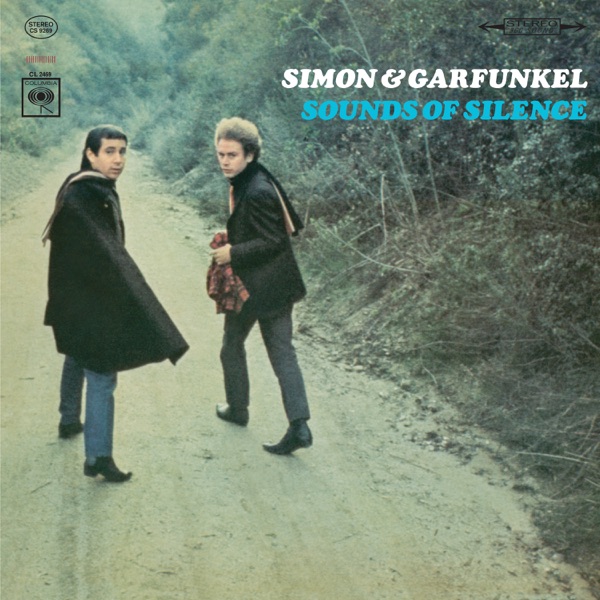
Simon & Garfunkel · Sounds of Silence
A haunting lament over isolation and empty idols, searching without landing.
Where the words land
Signal: Edifying, leaning worth weighing.
What do these signals mean?
- Edifying: Points the heart toward God, truth, hope, or love.
- Worth Weighing: Real good and real concern together. Test it before you take it in.
- Strained: Strains against Scripture: leans toward what could dull or mislead.
- At Odds: At odds with Scripture: celebrates what it warns against. Little here builds up.
Weighed against Scripture
“Hello darkness, my old friend”
“You have removed my beloved and my friend; darkness is my closest companion.”
Like the psalmist, the speaker addresses isolation directly, naming darkness as a familiar companion rather than hiding from it.
“Hear my words that I might teach you”
Wisdom calls out in the street, she lifts her voice in the square; in the main concourse she cries aloud, at the city gates she makes her speech: “How long, O simple ones, will you love your simple ways? How long will scoffers delight in their scorn and fools hate knowledge? If you had repented at my rebuke, then surely I would have poured out my spirit on you; I would have made my words known to you.
Wisdom crying out unheeded in the street closely matches the speaker's failed attempt to reach a silent, unresponsive crowd.
The song as a whole
And He replied: “Go and tell this people, ‘Be ever hearing, but never understanding; be ever seeing, but never perceiving.’ Make the hearts of this people calloused; deafen their ears and close their eyes. Otherwise they might see with their eyes, hear with their ears, understand with their hearts, and turn and be healed.”
The picture of people who hear but do not truly listen mirrors the prophetic warning of spiritual deafness among a crowded, noisy people.
From the rest he makes a god, his graven image. He bows down to it and worships; he prays to it and says, “Save me, for you are my god.” They do not comprehend or discern, for He has shut their eyes so they cannot see and closed their minds so they cannot understand.
The image of worshiping a self-made, artificial god directly parallels idol-making condemned here, though the song diagnoses the problem rather than calling for repentance.
“All things are wearisome, more than one can describe; the eye is not satisfied with seeing, nor the ear content with hearing.”
The whole song's ache, that words and noise abound yet nothing is truly communicated or satisfied, echoes the Preacher's weary verdict on human toil and speech.
In short
This is a lament about disconnection, a world full of noise, screens, and crowds where real communication and real faith have gone quiet. The 'neon god' is modern idolatry: things we build and worship instead of truth. It doesn't offer resolution, but it names the emptiness honestly, which is itself a kind of searching.
- Spiritual posture
The song laments spiritual emptiness and false idols, reaching toward truth without naming where it's found.
What do these ratings mean?
- Lyrical content, what the words say on the surface. Clean: nothing coarse, sexual or violent. Mild: a trace of it, by allusion or a rare word. Strong: profanity, sex or violence in plain words. Explicit: graphic, or sin held up to admire.
- Spiritual posture, where the song's heart points. God-honoring: toward God, truth or hope. Searching: honestly reaching or wrestling toward truth, without arriving. Neutral: spiritually indifferent; neither reaches nor rejects. Dark: despairing, nihilistic, self-exalting or hostile to God.
- Apparent intent, what the song is for. Edifying: worship, encouragement, honest lament. Cathartic: letting grief, anger or longing out, told honestly. Ambiguous: hard to say what the song is for. Harmful: celebrates evil, mocks faith or draws toward sin.
Where in your own life has noise replaced real connection, and what would it look like to actually listen?
An AI-assisted reading. It can misread a lyric, a metaphor or a song’s intent.