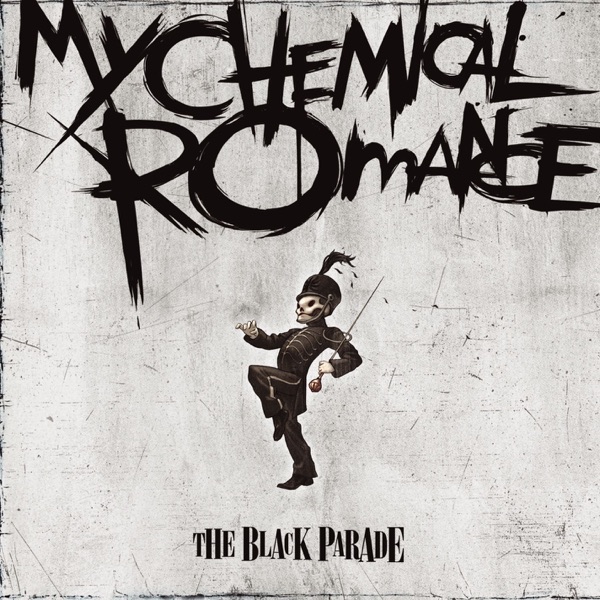
Welcome to the Black Parade
My Chemical Romance · The Black Parade
Facing death with defiance and solidarity, but no higher hope named
Where the words land
Signal: Worth Weighing, leaning edifying.
What do these signals mean?
- Edifying: Points the heart toward God, truth, hope, or love.
- Worth Weighing: Real good and real concern together. Test it before you take it in.
- Strained: Strains against Scripture: leans toward what could dull or mislead.
- At Odds: At odds with Scripture: celebrates what it warns against. Little here builds up.
Weighed against Scripture
“Would you be the savior of the broken”
“The Spirit of the Lord GOD is on Me, because the LORD has anointed Me to preach good news to the poor. He has sent Me to bind up the brokenhearted, to proclaim liberty to the captives and freedom to the prisoners,”
The song casts the narrator himself as the one who must save the broken; Scripture places that role in God alone, binding up the brokenhearted.
“Your memory will carry on”
“There is no remembrance of those who came before, and those yet to come will not be remembered by those who follow after.”
The hope of being remembered forever is the same ache Ecclesiastes names and then exposes as fleeting under the sun.
“Do or die, you'll never make me”
“The LORD is my light and my salvation— whom shall I fear? The LORD is the stronghold of my life— whom shall I dread?”
The defiant refusal to be broken by fear or death echoes the psalmist's confidence, though here the source of courage is self rather than God.
“Just a man, I'm not a hero”
But He said to me, “My grace is sufficient for you, for My power is perfected in weakness.” Therefore I will boast all the more gladly in my weaknesses, so that the power of Christ may rest on me. That is why, for the sake of Christ, I delight in weaknesses, in insults, in hardships, in persecutions, in difficulties. For when I am weak, then I am strong.
Admitting weakness instead of claiming heroism is honest and resonates with Paul's boast in weakness, even without naming where strength ultimately comes from.
Words of Christ are set in red.
In short
This is a song about facing death and being forgotten, and choosing defiance and solidarity with 'the broken' instead of despair. It never turns to God, but it isn't nihilistic either; it's an anthem of human resolve in the face of mortality. The theatrical, parade-of-death imagery is symbolic, not a glorification of violence or self-harm.
- Spiritual posture
Facing mortality and despair head-on, the song reaches for defiance and legacy rather than God, but it refuses to stay in hopelessness.
- Apparent intent
Written around a father figure's death, it's meant to turn grief and fear of being forgotten into solidarity and resolve for outsiders.
What do these ratings mean?
- Lyrical content, what the words say on the surface. Clean: nothing coarse, sexual or violent. Mild: a trace of it, by allusion or a rare word. Strong: profanity, sex or violence in plain words. Explicit: graphic, or sin held up to admire.
- Spiritual posture, where the song's heart points. God-honoring: toward God, truth or hope. Searching: honestly reaching or wrestling toward truth, without arriving. Neutral: spiritually indifferent; neither reaches nor rejects. Dark: despairing, nihilistic, self-exalting or hostile to God.
- Apparent intent, what the song is for. Edifying: worship, encouragement, honest lament. Cathartic: letting grief, anger or longing out, told honestly. Ambiguous: hard to say what the song is for. Harmful: celebrates evil, mocks faith or draws toward sin.
Where does your own courage in the face of loss and being forgotten ultimately come from?
An AI-assisted reading. It can misread a lyric, a metaphor or a song’s intent.


